
Why Large-Screen Android Tablets Make Sense for Logistics
Warehouse and logistics teams need information about where the work is happening — not back at a desk.
A larger-screen Android tablet can give mobile teams more room for inventory systems, maps, dashboards, order information, scanning workflows, and communication without moving all the way to a traditional laptop.
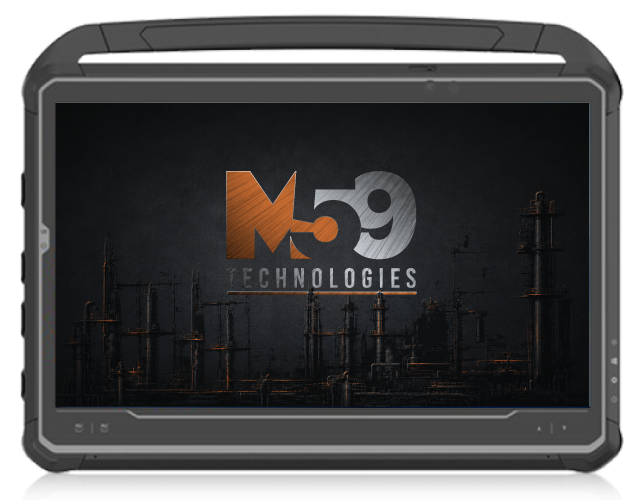
The DA323EP is a 13.3-inch Android tablet designed around that kind of mobile workflow. DT Research introduced the GMS-enabled model for logistics applications, with Google Mobile Services supporting access to familiar enterprise tools and app-driven workflows for navigation, tracking, communication, and data capture.
More screen space can mean less back-and-forth
In a warehouse or distribution environment, screen size is not just about comfort. A larger display can make it easier to work with detailed inventory records, routing information, forms, dashboards, and other information that would otherwise require more scrolling or repeated screen changes.
That can be especially useful for supervisors, receiving teams, inventory personnel, field logistics crews, and employees moving between warehouse, dock, vehicle, and office environments.
Android can simplify mobile deployment
Android devices can be a strong fit when the workflow depends heavily on mobile applications, cloud services, scanning, navigation, and real-time communication.
The DA323EP supports Google Mobile Services and enterprise Android features, making it suitable for organizations already using Google-based applications and mobile-device-management tools. DT Research
Data capture matters just as much as display size
A field device becomes more useful when it can do more than display information.
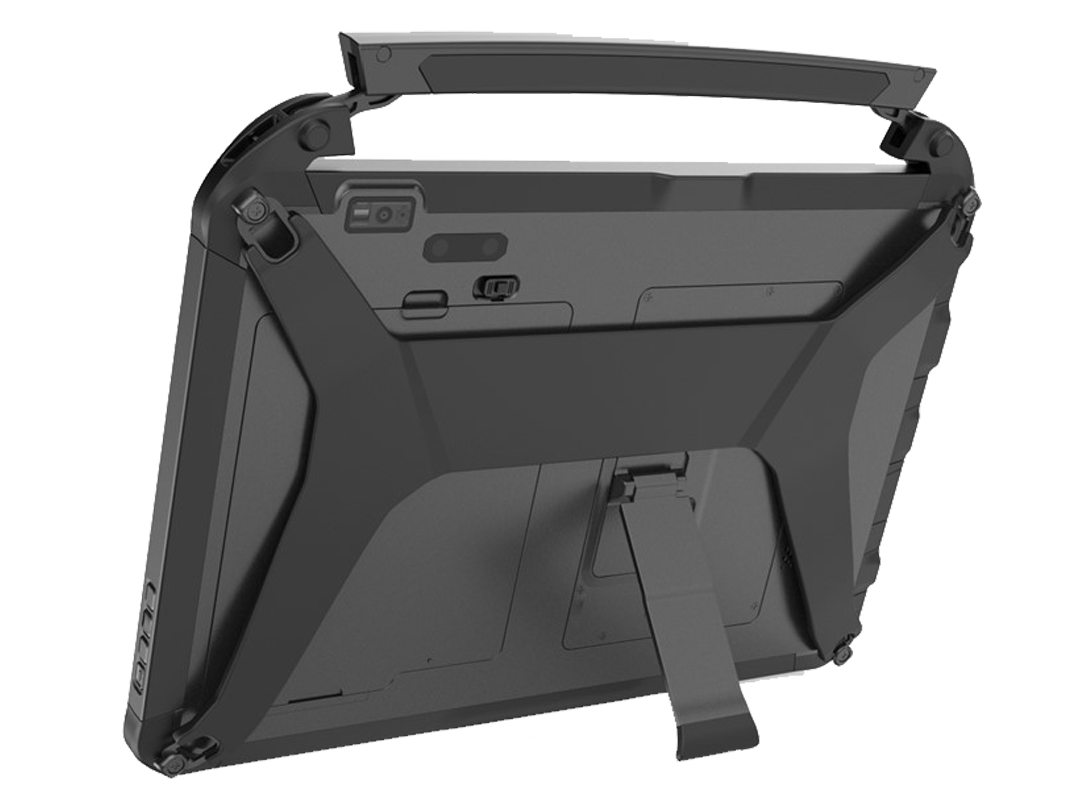
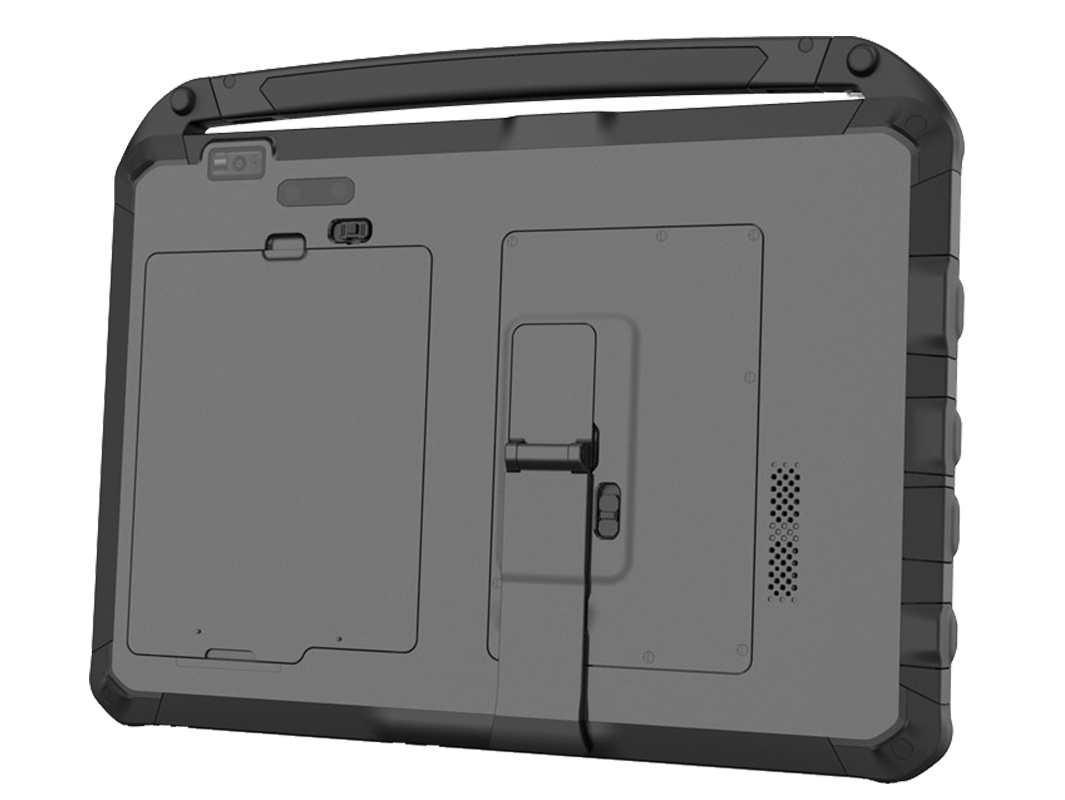
Depending on configuration, M59 tablet solutions can support features such as barcode scanning, cameras, GPS, cellular connectivity, and other data-capture tools. That allows the same device to help employees identify, record, locate, communicate, and update information without constantly moving between separate pieces of equipment.
The right question is not “tablet or laptop?”
The better question is:
What does the person using it actually need to do?
If the workflow is app-driven, mobile, visual, and dependent on real-time information, a large-screen Android tablet may be a better fit than either a small handheld or a full laptop.
M59 Tech helps teams compare screen size, operating system, connectivity, scanning, power, and other configuration options around the way the equipment will actually be used.
Need help deciding whether a large-screen Android tablet fits your operation?
Talk to M59 Tech.